
What's inside
- Why Learning How to Set Up Dehumidifier in Grow Tent Matters
- How to Set Up Dehumidifier in Grow Tent: Comparison Table
- hOmeLabs 22 Pint Dehumidifier
- Midea Cube 35 Pint Dehumidifier
- Frigidaire 50 Pint Dehumidifier FFAD5033W1
- Pro Breeze 1 Litre Mini Dehumidifier
- Eva-Dry E-333 Mini Dehumidifier
- VIVOSUN 35 Pint Dehumidifier
- hOmeLabs 35 Pint Dehumidifier
- How to Set Up Dehumidifier in Grow Tent: Step by Step
- Buying Guide: How to Choose the Best Dehumidifier for a Grow Tent
- Humidity Control Gear to Pair With the Setup
- Frequently Asked Questions
As an Amazon Associate I earn from qualifying purchases. This post may contain affiliate links at no extra cost to you.
Learning how to set up dehumidifier in grow tent is the best way to control humidity, prevent mould and bud rot, and keep your plants healthy, without a tent that is too humid, too wet, or that has condensation on the walls. A dehumidifier in a grow tent is different from a dehumidifier in a house. It needs to be the right size for your tent, usually a small, 22 to 35 pint dehumidifier for a 4×4 tent, with a drain hose or a bucket, a humidistat to set your target humidity, and a safe, electrical setup, with a GFCI outlet and a drip loop, so it works reliably, without a water leak or an electrical hazard.
This guide explains how to set up dehumidifier in grow tent in plain language, compares seven real, currently sold dehumidifiers for grow tents, and helps you choose the right size, placement, and drainage for your tent, your plants, and your budget. Prices below are typical retail ranges and can vary by retailer and sale. Always check tent size, dehumidifier capacity, and electrical safety before you buy, because a dehumidifier that is too small will not control humidity, and a dehumidifier that is too large will dry your plants too much and waste electricity.
Electrical safety is essential in a grow tent. Use a GFCI outlet, keep all electrical connections off the floor, use a drip loop for every cord, and do not let water drip onto a plug, a power strip, or a dehumidifier. Keep your dehumidifier away from water, clean it regularly, and unplug it before you clean it or move it. Do not use a dehumidifier with a damaged cord, and do not overload a circuit with a dehumidifier, a light, and a fan on the same outlet. If you are unsure about electrical safety, ask a qualified electrician.
Why Learning How to Set Up Dehumidifier in Grow Tent Matters
Learning how to set up dehumidifier in grow tent matters because humidity is one of the most important factors for indoor growing, and it can make the difference between healthy plants and mould, bud rot, and powdery mildew. In a grow tent, plants release water through transpiration, and a light, a fan, and a humidifier can add even more moisture, so humidity can rise to 70% or 80%, especially at night, when the light is off and the temperature drops. A dehumidifier that is set up correctly will keep humidity at 40% to 60%, depending on your growth stage, so your plants can transpire, absorb nutrients, and grow well, without mould.
A good dehumidifier setup also matters for your plants and for your tent. A dehumidifier that is placed correctly, with good airflow, will remove moisture evenly from the whole tent, while a dehumidifier that is placed in a corner, behind plants, or with no airflow, will only remove moisture from one area, and the rest of the tent will stay humid. A dehumidifier with a drain hose, that drains to a bucket or a sink, will also be easier to use than a dehumidifier with a small bucket that you need to empty every day.
Finally, the right setup matters for your electricity bill and for value. A dehumidifier that costs $99 to $299 in this guide, and that is the right size for your tent, will use less electricity than a dehumidifier that is too large, and it will control humidity better than a dehumidifier that is too small. Choose a dehumidifier by tent size, capacity, and drainage, not just by price.
How to Set Up Dehumidifier in Grow Tent: Comparison Table
The table below compares seven real, currently sold dehumidifiers for grow tents. Price ranges are typical retail ranges and can vary by retailer and sale. Ratings reflect overall owner feedback for humidity control, noise, ease of setup, durability, and value, not a laboratory test. Always check tent size before you buy.
| Dehumidifier Model for How to Set Up Dehumidifier in Grow Tent | Capacity and Tent Size | Drainage and Humidistat | Best For | Typical Price Range | Rating |
|---|---|---|---|---|---|
| hOmeLabs 22 Pint Dehumidifier | 22 pint, for 2×4 to 4×4 tent | Bucket and hose, humidistat | Best overall, for small to medium tents | $199 – $249 | 4.7 / 5 |
| Midea Cube 35 Pint Dehumidifier | 35 pint, for 4×4 to 5×5 tent | Bucket and hose, humidistat, WiFi | Best Midea, for larger tents | $249 – $299 | 4.7 / 5 |
| Frigidaire 50 Pint Dehumidifier FFAD5033W1 | 50 pint, for 5×5 tent and room | Bucket and hose, humidistat | Best large, for big tents and rooms | $249 – $299 | 4.7 / 5 |
| Pro Breeze 1 Litre Mini Dehumidifier | 1 litre per day, for 2×2 tent | Small tank, no hose, simple | Best mini, for very small tents | $49 – $69 | 4.6 / 5 |
| Eva-Dry E-333 Mini Dehumidifier | Small, for 2×2 tent, renewable | No tank, silica gel, rechargeable | Best Eva-Dry, for small spaces | $19 – $29 | 4.6 / 5 |
| VIVOSUN 35 Pint Dehumidifier | 35 pint, for 4×4 to 5×5 tent | Bucket and hose, humidistat | Best VIVOSUN, for grow tents | $199 – $249 | 4.6 / 5 |
| hOmeLabs 35 Pint Dehumidifier | 35 pint, for 4×4 to 5×5 tent | Bucket and hose, humidistat | Best hOmeLabs large, for medium tents | $229 – $279 | 4.7 / 5 |
hOmeLabs 22 Pint Dehumidifier
The hOmeLabs 22 Pint Dehumidifier is a strong overall pick for how to set up dehumidifier in grow tent because it is the right size for a 2×4 to 4×4 tent, with a capacity of 22 pints per day, a humidistat to set your target humidity, and a bucket and hose drainage option, in a design that is easy to set up and use. The hOmeLabs 22 pint is a popular dehumidifier for grow tents, because it is not too large, it is not too loud, and it can keep humidity at 40% to 60% in a 4×4 tent, with good airflow.
This dehumidifier is best for a small to medium grow tent, for a 4×4 tent, or for a user who wants a reliable, affordable dehumidifier. At $199 to $249, it is good value for a hOmeLabs dehumidifier. It has a bucket that you need to empty, or a hose that you can use to drain to a bucket outside the tent, and a humidistat that lets you set your target humidity, such as 50% for vegetative growth, or 40% for flowering. Check that it fits in your tent, with room for airflow, and use a GFCI outlet.
Midea Cube 35 Pint Dehumidifier
The Midea Cube 35 Pint Dehumidifier is a 35 pint dehumidifier with a cube design, a humidistat, a bucket and hose drainage, and WiFi, in a design that is good for a 4×4 to 5×5 tent, with a larger capacity than a hOmeLabs 22 pint. The Midea Cube has a unique, stackable design, with a water tank that can be nested, and a WiFi app that lets you monitor humidity from your phone, which is useful for a grower who wants to check humidity without opening the tent.
This dehumidifier is best for a Midea dehumidifier, for a larger tent, or for a user who wants WiFi. At $249 to $299, it is good value for a Midea Cube. It is larger than a hOmeLabs 22 pint, so it needs more space in your tent, and it uses more electricity, but for a 5×5 tent, it is a good choice. Check that it fits in your tent, and that you have a drain hose setup.
Frigidaire 50 Pint Dehumidifier FFAD5033W1
The Frigidaire 50 Pint Dehumidifier FFAD5033W1 is a large dehumidifier with a capacity of 50 pints per day, a humidistat, a bucket and hose drainage, and a design that is good for a 5×5 tent, or for a whole grow room, not just a tent. The Frigidaire 50 pint is a popular dehumidifier for large grows, because it can control humidity in a large space, with a powerful fan and a large bucket, and it is made by a well-known brand.
This dehumidifier is best for a large dehumidifier, for a big tent or a grow room, or for a user who wants a powerful dehumidifier. At $249 to $299, it is good value for a Frigidaire 50 pint. It is too large for a 2×4 or 4×4 tent, because it will take up too much space and it will dry the air too much, but for a 5×5 tent or a room, it is ideal. Use it outside the tent, in the lung room, if possible, to save space inside the tent.
Pro Breeze 1 Litre Mini Dehumidifier
The Pro Breeze 1 Litre Mini Dehumidifier is a small, mini dehumidifier with a capacity of about 1 litre per day, a small tank, and a simple, easy-to-use design, in a dehumidifier that is good for a very small tent, such as a 2×2 tent, or for a small space, such as a closet. The Pro Breeze mini is quiet, light, and it uses very little electricity, but it is not powerful enough for a 4×4 tent, so it is best for a small tent, or as a second dehumidifier in a larger tent.
This dehumidifier is best for a mini dehumidifier, for a very small tent, or for a user who wants a low-cost, quiet dehumidifier. At $49 to $69, it is the lowest-priced electric dehumidifier in this guide. Its main limits are a small capacity, only 1 litre per day, and a small tank that you need to empty often, so it is not the best choice for a 4×4 tent. For a 2×2 tent, it is enough, and it is a sensible choice if you want a small, cheap dehumidifier.
Eva-Dry E-333 Mini Dehumidifier
The Eva-Dry E-333 is a small, renewable mini dehumidifier with silica gel, no tank, and a rechargeable design, in a dehumidifier that is good for a very small space, such as a 2×2 tent, a closet, or a cabinet, where you need to remove a small amount of moisture, without electricity. The Eva-Dry E-333 absorbs moisture with silica gel, and when it is full, you plug it in to recharge it, which dries the silica gel, and then you can use it again. It is silent, with no fan, and it uses no electricity while it is working.
This dehumidifier is best for an Eva-Dry mini, for a very small space, or for a user who wants a silent, no-power dehumidifier. At $19 to $29, it is the lowest-priced dehumidifier in this guide. It is not powerful enough for a 4×4 tent, and it will not control humidity on its own in a grow tent with many plants, but for a small tent, or as a second dehumidifier, it is a good choice. Use it with a fan, for airflow, and recharge it regularly.
VIVOSUN 35 Pint Dehumidifier
The VIVOSUN 35 Pint Dehumidifier is a 35 pint dehumidifier with a humidistat, a bucket and hose drainage, and a design that is made for grow tents, with a capacity that is good for a 4×4 to 5×5 tent. VIVOSUN is known for grow tent gear, and the 35 pint dehumidifier is a good choice for a grower who wants a dehumidifier that is designed for a grow tent, with a simple, easy-to-use humidistat and a drain hose.
This dehumidifier is best for a VIVOSUN dehumidifier, for a grow tent, or for a user who wants a 35 pint dehumidifier. At $199 to $249, it is good value for a VIVOSUN dehumidifier. It is similar to a hOmeLabs 35 pint, but with a VIVOSUN brand and a design for grow tents. Check that it fits in your tent, and that you have a drain setup, before you buy.
hOmeLabs 35 Pint Dehumidifier
The hOmeLabs 35 Pint Dehumidifier is a 35 pint dehumidifier with a humidistat, a bucket and hose drainage, and a design that is good for a 4×4 to 5×5 tent, with a larger capacity than a hOmeLabs 22 pint. The hOmeLabs 35 pint is a popular dehumidifier for medium tents, because it can control humidity in a larger tent, with a powerful fan and a large bucket, and it is easy to set up and use.
This dehumidifier is best for a hOmeLabs large dehumidifier, for a medium tent, or for a user who wants a 35 pint dehumidifier. At $229 to $279, it is good value for a hOmeLabs dehumidifier. It is larger than a 22 pint, so it needs more space, and it uses more electricity, but for a 5×5 tent, it is a good choice. Use it outside the tent, in the lung room, if possible, to save space inside the tent.
How to Set Up Dehumidifier in Grow Tent: Step by Step
Step 1: Choose the right size for your tent
Choose a dehumidifier by tent size: a 2×2 tent needs only a mini dehumidifier, such as a Pro Breeze 1 litre, typically $49 to $69, or an Eva-Dry E-333, typically $19 to $29, because it is a small space with few plants. A 2×4 to 4×4 tent needs a 22 pint dehumidifier, such as a hOmeLabs 22 pint, typically $199 to $249, because it is a medium space with more plants and more moisture. A 4×4 to 5×5 tent needs a 35 pint dehumidifier, such as a Midea Cube 35, typically $249 to $299, or a VIVOSUN 35, typically $199 to $249, because it is a larger space. A 5×5 tent or a grow room needs a 50 pint dehumidifier, such as a Frigidaire 50 pint, typically $249 to $299, or use a dehumidifier outside the tent, in the lung room, to control the whole room.
Step 2: Place the dehumidifier for airflow, not in a corner
Place the dehumidifier inside the tent, on the floor, in the centre or near the intake fan, with at least 6 inches of space around it, for airflow, and not in a corner, behind plants, or against a wall, where it cannot pull in humid air. If your tent is small, or if the dehumidifier is large, place it outside the tent, in the lung room, with the intake fan pulling dry air into the tent, which is often better, because it saves space inside the tent and it keeps heat from the dehumidifier outside the tent. A dehumidifier produces heat, so placing it outside the tent can help keep the tent cooler, especially in summer. Use a fan, such as an oscillating fan, to circulate air around the dehumidifier, so it can remove moisture evenly from the whole tent.
Step 3: Set up drainage with a hose or a bucket
Set up drainage with a hose or a bucket: a dehumidifier with a bucket, such as a hOmeLabs 22 pint, will stop working when the bucket is full, so you need to empty it every day, or use a drain hose to drain water to a bucket outside the tent, a sink, or a drain. To use a hose, attach a garden hose or a drain hose to the dehumidifier’s drain outlet, run the hose downhill, with no kinks, to a bucket or a drain, and check that water flows freely. If you use a bucket, place it on the floor, outside the tent if possible, and check it daily, because a full bucket can overflow and cause water damage. Never let water drip onto a plug, a power strip, or a dehumidifier, and use a drip loop for every cord.
Step 4: Set the humidistat and monitor humidity
Set the humidistat on your dehumidifier to your target humidity: for vegetative growth, set it to 50% to 60%, for early flowering, set it to 45% to 55%, and for late flowering, set it to 40% to 50%, to prevent mould and bud rot, especially in dense buds. Use a hygrometer, such as a Govee hygrometer, to monitor humidity in your tent, at plant level, not just at the dehumidifier, because humidity can vary in different parts of the tent. Check humidity twice a day, in the morning and at night, because humidity rises at night, when the light is off and the temperature drops, and adjust your dehumidifier setting if needed. If humidity is still too high, increase airflow, reduce watering, or use a larger dehumidifier. If humidity is too low, below 35%, your plants may dry out, so turn down the dehumidifier or add a humidifier.
Buying Guide: How to Choose the Best Dehumidifier for a Grow Tent
1. Choose capacity by tent size, not by price
Choose a dehumidifier by tent size, not just by price: a 22 pint dehumidifier, such as a hOmeLabs 22, typically $199 to $249, is enough for a 4×4 tent, while a 35 pint dehumidifier, such as a Midea Cube 35, typically $249 to $299, is better for a 5×5 tent, and a 50 pint dehumidifier, such as a Frigidaire 50, is too large for a 4×4 tent, because it will dry the air too much and waste electricity. A dehumidifier that is too small will not control humidity, even if it runs all day, while a dehumidifier that is too large will cycle on and off, and it will not remove moisture evenly. Check your tent size, your plant count, and your climate, before you buy, and choose a dehumidifier that is the right size for your tent.
2. Check drainage, humidistat, and noise
Check drainage: a dehumidifier with a hose option, such as a hOmeLabs or Midea, is easier to use than a dehumidifier with only a bucket, because you do not need to empty it every day. Check humidistat: a dehumidifier with a humidistat lets you set your target humidity, such as 50%, and it will turn on and off automatically, to maintain that humidity, while a dehumidifier without a humidistat will run continuously, and it may dry your plants too much. Check noise: a dehumidifier with a noise level of 40 to 50 decibels is quieter than a dehumidifier with a noise level of 55 decibels or more, and it is better if your tent is in a bedroom or a living area. Test the dehumidifier at home, before you put it in your tent, and check that it is not too loud.
3. Check electrical safety, GFCI, and drip loop
Use a GFCI outlet for your dehumidifier, your light, and your fan, because a GFCI outlet will shut off power if there is a ground fault, such as water touching an electrical connection, and it can prevent an electric shock. Keep all electrical connections off the floor, use a drip loop for every cord, which is a loop in the cord that lets water drip off, instead of running into a plug, and do not overload a circuit with a dehumidifier, a light, and a fan on the same outlet. Unplug your dehumidifier before you clean it or move it, and do not use it with a damaged cord. If you are unsure about electrical safety, ask a qualified electrician, and do not take risks with water and electricity in a grow tent.
4. Check cleaning, mould, and plant health
Clean your dehumidifier regularly, by emptying the bucket, cleaning the filter, and wiping the outside with a damp cloth, because a dirty dehumidifier can grow mould and bacteria, and it can spread them to your plants. Check your plants for mould, bud rot, and powdery mildew, especially in dense buds, and remove any affected leaves or buds immediately, with clean tools, and dispose of them in a sealed bag, not in your compost. Wash your hands after handling mouldy plants, and do not smoke or eat mouldy herbs. If you grow herbs for cooking or baking, wash them well, and do not use mouldy herbs, because they can make you sick. Keep your tent clean, with good airflow, and follow local laws for growing.
Humidity Control Gear to Pair With the Setup
The right dehumidifier is only half the story. Drainage and a way to read humidity make the setup easy to live with.
WoEleLigt 98 oz Dehumidifier With Drain Hose
A small dehumidifier with a hose port for continuous draining. Skips the tank-emptying routine.
As an Amazon Associate we earn from qualifying purchases at no extra cost to you.

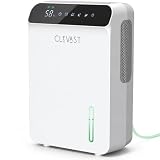
CLEVAST Small Dehumidifier With Drain Hose
A compact unit with a larger tank and hose option. Fits a tent in a closet or spare room.
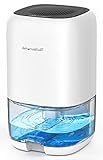
TABYIK 35 oz Dehumidifier
A tiny auto-shutoff unit for very small spaces. Good for a 2×2 footprint or a seedling area.
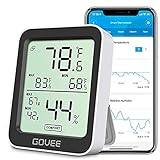
Govee Bluetooth Hygrometer Thermometer
Sends readings to an app so you can watch trends without opening the tent.
Frequently Asked Questions
How do I set up a dehumidifier in a grow tent?
To set up a dehumidifier in a grow tent, first choose the right size for your tent, such as a 22 pint dehumidifier for a 4×4 tent, then place it inside the tent, on the floor, with at least 6 inches of space around it for airflow, or outside the tent in the lung room, if it is large. Attach a drain hose to the dehumidifier, run it downhill to a bucket or a drain, and set the humidistat to your target humidity, such as 50% for vegetative growth, or 40% for flowering. Use a GFCI outlet, a drip loop for every cord, and a hygrometer to monitor humidity, and check it twice a day, in the morning and at night.
Where should I place a dehumidifier in a grow tent?
Place a dehumidifier inside the tent, on the floor, in the centre or near the intake fan, with at least 6 inches of space around it, for airflow, and not in a corner, behind plants, or against a wall. If your tent is small, or if the dehumidifier is large, place it outside the tent, in the lung room, with the intake fan pulling dry air into the tent, which saves space inside the tent and keeps heat from the dehumidifier outside the tent. Use a fan to circulate air around the dehumidifier, so it can remove moisture evenly from the whole tent, and check humidity at plant level, not just at the dehumidifier.
What humidity should a grow tent be?
A grow tent should be at 50% to 60% humidity for vegetative growth, 45% to 55% for early flowering, and 40% to 50% for late flowering, to prevent mould and bud rot, especially in dense buds. Humidity that is too high, above 65%, can cause mould, bud rot, and powdery mildew, while humidity that is too low, below 35%, can dry out your plants, cause leaf curl, and slow growth. Use a hygrometer to monitor humidity, at plant level, and adjust your dehumidifier setting, airflow, and watering, to maintain your target humidity. Humidity rises at night, when the light is off, so check it in the morning and at night.
Do I need a dehumidifier in a grow tent?
Yes, you usually need a dehumidifier in a grow tent, especially in a humid climate, or if you have many plants, because plants release water through transpiration, and a tent can quickly become too humid, with condensation on the walls, mould, and bud rot. A dehumidifier is especially important in flowering, when buds are dense and mould can spread quickly. If you live in a dry climate, or if you have only a few plants in a small tent, you may not need a dehumidifier, but you should still monitor humidity with a hygrometer, and use a fan for airflow. If humidity is consistently above 60%, you need a dehumidifier.
Learning how to set up dehumidifier in grow tent is about choosing the right size, placing it for airflow, setting up drainage, and monitoring humidity, not just about buying a dehumidifier. Start with a hOmeLabs 22 Pint for a 4×4 tent, choose a Midea Cube 35 for a larger tent, or choose a Pro Breeze mini for a very small tent. Place your dehumidifier with space for airflow, use a drain hose, set your humidistat to 40% to 60% depending on growth stage, and use a GFCI outlet with a drip loop. With the right setup, your grow tent humidity will be controlled, your plants will be healthier, and mould and bud rot will be less likely, for every grow.
Related guides
- Best LED vs Fluorescent Grow Light Growing in 2026: 6 Top LED and Fluorescent Grow Lights, Bright Growth, and Easy Growing
- 200W LED vs 400W LED Grow Light in 2026: Which Size Is Best for Your Grow Tent?
- Best Meter for Hydroponic Water Testing in 2026 for Healthy Plants, Accurate pH, and Choosing the Best Meter for Hydroponic Water Testing
- Best LED Light for Growing Basil in Windowless Kitchens in 2026: 7 LED Grow Lights That Grow Basil Without a Window, Without a Big Tent, and Without a High Electric Bill
More from Amazon
Programs that pair well with the guide above. Offers and eligibility are set by Amazon and may change.
Free shipping on eligible items, Prime Video and more. Eligible new members can start with a free trial.
Start a Prime free trialAudiobooks and podcasts to listen to on the go. Eligible new members can start with a free trial.
Try Audible freeAd-free music streaming. Eligible new subscribers can start with a free trial.
Try Music Unlimited freeA free business account with business pricing and bulk-buying tools for work, shop or home office.
Create a business accountAs an Amazon Associate we earn from qualifying purchases.

Write Your Review
No reviews yet. Be the first to share your experience!