
What's inside
As an Amazon Associate I earn from qualifying purchases. This post may contain affiliate links at no extra cost to you.
The best portable grow tent for dorm rooms has to be chosen in an unusual order, because the first question is not which tent. It is whether a grow tent is allowed in your room at all. Most dormitory housing agreements restrict or prohibit exactly the things a grow tent needs: additional electrical loads and power strips beyond stated limits, appliances and lamps not approved by the housing office, items that block vents, sprinklers, or egress, and in many residences, plants, candles, and high-heat devices under broad safety clauses. Policies vary by university and by building, they are enforced by resident staff with room inspections in many schools, and the consequence of guessing wrong is not a returned product. It can be confiscation, a conduct process, and a lost housing deposit. So this guide begins with a rule that outranks every product in its table: read your housing agreement and your residence’s electrical and fire rules, ask your housing office in writing if anything is unclear, and buy nothing until the answer is yes. Where the answer is yes, it is usually yes within limits, a small tent, a modest LED, total wattage within the room’s stated allowance, no locking of fire equipment, nothing vented into a hallway, and only lawful plants, herbs, microgreens, seedlings, and houseplants, grown openly as what they are. This guide is written for that lawful, permitted parish only, and for the student whose school allows a small indoor garden, a portable tent is a genuinely good tool: it contains light, manages humidity, keeps a roommate’s sleep and a plant’s day from ruining each other, and folds away at move-out in minutes.
Assuming permission, the dorm tent’s specifications are dictated by the room, and the room is small, shared, and inspected. Footprint is the first: the working dorm parish is the 2×2 foot tent and its near cousins, twenty-four to thirty-two inches square, with the 2×4 and anything larger belonging to apartments and to rooms whose floor plans the student has actually measured, door swing, closet, and the roommate’s half all counted. Height is the second: dorm ceilings forgive, but lofts, bunked beds, and sprinkler clearances do not, and the tent must sit clear of sprinklers and heat sources by the distances the building’s rules and common sense direct, never touching, never blocking, never venting hot air at a detector. Electrical load is the third and the one that ends arguments: a small modern LED for a 2×2 commonly draws in the class of one hundred to one hundred fifty watts at the wall, an inline fan a few dozen, and the whole parish must fit the room’s stated allowance with the computers, the fridge where permitted, and the chargers already aboard, plugged directly into the wall outlet as most housing rules require, since the power strip parish is where dorm electrical rules most commonly draw their line and where this guide draws its own: if the setup cannot run within the rules as written, it does not run. Noise and light discipline complete the census: a tent whose fan hums through a shared wall is a roommate dispute with a zipper, and a tent that leaks light at 2AM in a room where another person sleeps is a tent that will be unplugged by the only authority that matters at that hour.
Our Top Picks
 VEVOR Mushroom Grow Tent 4-Tier Shelves 27.17"x19.49"x66.14" Martha27.17 x 19.49 x 66.14 in27.17 x 19.49 x 66.14 inches9.7 poundsCheck on Amazon
 Mini Greenhouse or Mushroom Grow Tent -2 Tier24"x16"x46" Small24 x 16 x 46 inches7 poundsCheck on Amazon
Best Portable Grow Tent for Dorm Rooms: Size, Power, and Quiet Running
The 2×2 Parish: Footprint, Height, and What Actually Grows in One
The 2×2 tent, roughly four square feet of canopy, is the dorm’s honest size because it matches both the room and the electrical parish, and its gardening is real within its scale: a tray of microgreens in perpetual rotation, a parish of culinary herbs, basil, cilantro, mint in its own pot as it deserves, a pepper or a dwarf tomato as the semester’s project, seedlings started for a community garden plot, and the houseplants, the propagations and the light-hungry citizens, that a north-facing dorm window would otherwise execute by March. What it will not do is feed a person or finish a large fruiting plant in comfort, and the guide states that plainly because the dorm garden’s joy is its scale, a living, green, productive corner, not a farm. Height in the class, commonly forty-eight to sixty inches in the 2×2 parish, decides the garden’s architecture more than its floor does, the taller citizens taking the tomato and the pepper with their light raised, the shorter suiting the herb and microgreen parish whose lights ride low. Portability is the dorm’s own specification and it is graded as such in the table: a tent that one person can assemble without tools in a half hour, carry up three flights as a flat package, and break down at move-out into the same package, since the dorm garden’s life is measured in semesters and its storage is a closet at home, and the tent that fails the move-out test will be abandoned to the hallway’s free pile in May, a fate the better citizens in this table are specifically designed to avoid.
Light and Fan at Dorm Scale: True Watts, Heat, and Noise
The dorm light is a small, modern, full-spectrum LED panel or board, and it is shopped by its true draw at the wall, stated by its maker, and not by the wattage in its name, a deception the grow industry has industrialized and this site has prosecuted in every tent parish it serves. For the 2×2, the honest parish is roughly one hundred to one hundred fifty true watts, dimmable being worth real money in a dorm, since the dimmer is the heat control, the electricity control, and the seedling parish’s gentle sunrise in one knob. Heat is the second figure: every watt becomes heat in the room eventually, a hundred watts being a small but real contribution to a small room’s summer, which is why the dimmable light and the tent’s ventilation are a system and why a dorm garden in a building without air conditioning may honestly be a school-year parish and not a summer one. The fan is the third: a small inline fan in the four-inch parish, or a quiet circulation fan where the housing’s rules and the tent’s size allow the simpler settlement, graded on its measured noise in the maker’s figures and on its lowest useful speed, since the dorm fan runs in a room where people sleep, study, and take exams on video, and its hum is a specification the roommate will grade nightly with complete authority. Carbon filtration, the grow parish’s odor citizen, has a dorm translation that must be stated carefully: herbs and microgreens are not an odor problem, and a small carbon filter is a legitimate tool for humidity and general air manners in a permitted setup, but no filter in this table is a device for concealing a prohibited grow, and this guide does not serve that purpose in any paragraph.
Light Leaks, Zippers, and Living With a Roommate
A dorm tent succeeds socially or not at all, and its social specifications are light discipline and access. The light’s parish runs on a timer, set to the plants’ day and the humans’ night in negotiation with the roommate, commonly the light on in the morning and off at a civilized evening hour, which most herb and microgreen parishes accept gladly, since plants need a dark period and roommates need a longer one. The tent’s own light-tightness is graded at its zipper and its seams, the better citizens in this table closing to a genuine dark, the budget parish leaking at the zipper’s parish in a way the sleeper across the room will map in one night. Viewing windows, a feature the apartment parish enjoys, are a dorm liability at 2AM and are graded down here accordingly, or covered. Access is the third courtesy: the tent placed so its door does not open into the roommate’s parish, its fan’s cord and its light’s timer arranged so no one’s trip to the bathroom is an obstacle course, and its whole parish kept as the room’s neatest corner rather than its spreading frontier, because the permitted dorm garden lives on goodwill, the roommate’s, the resident assistant’s, and the housing office’s, and goodwill is a specification maintained daily and lost once. The student who treats those three as engineering requirements will keep their garden; the one who treats them as public relations will be explaining a basil plant to a conduct board, which is this guide’s favorite sentence in the whole article and the truest one in it.
Best Portable Grow Tent for Dorm Rooms: Quick Comparison
| Portable Grow Tent | Key Specs | Best For | Typical Price Range | Rating |
|---|---|---|---|---|
| AC Infinity CLOUDLAB 422 / 2×2 class | 2×2 class positioning, thick canvas parish, controller-ready in line | Best portable grow tent for dorm rooms overall | $110 – $150 | 4.6 / 5 |
| Spider Farmer 2×2 class | 2×2 class positioning, kit parish in line, diamond reflective interior | Best complete kit value | $90 – $130 tent, kits higher | 4.4 / 5 |
| VIVOSUN 2×2 class (24x24x48) | 2x2x4 class positioning, budget parish in line, wide availability | Best budget dorm tent | $55 – $80 | 4.2 / 5 |
| MARS HYDRO 2×2 class (27×27) | Slightly larger 2×2 parish positioning, kit parish in line | Best slightly-roomier 2×2 | $80 – $120 tent, kits higher | 4.3 / 5 |
| Gorilla Gear Tent 2×2.5 class | Premium canvas parish positioning, tall in line, durable build | Best premium build | $220 – $300 | 4.5 / 5 |
| CoolGrows / generic 2×2 class | 2×2 class positioning, friendliest pricing in line, basic parish | Best first-semester trial | $45 – $70 | 3.9 / 5 |
VEVOR Mushroom Grow Tent 4-Tier Shelves 27.17"x19.49"x66.14" Martha Tent | For Indoor, Mini Greenhouse with PVC + PE Cover, Waterproof Bottom Tray, 4 Vents for Humidifier & FAE, Fits Up to 8 Monotubs


As an Amazon Associate we earn from qualifying purchases. Product prices and availability are accurate as of the date/time indicated.
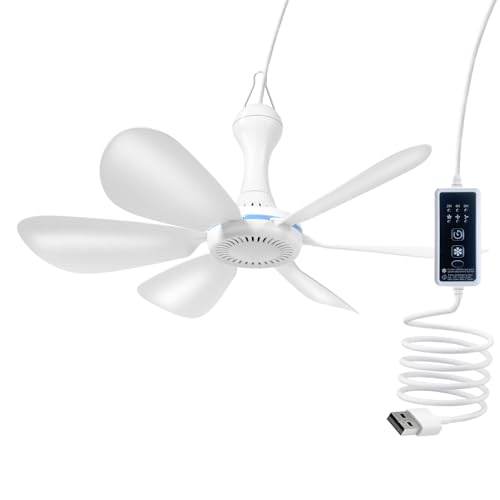
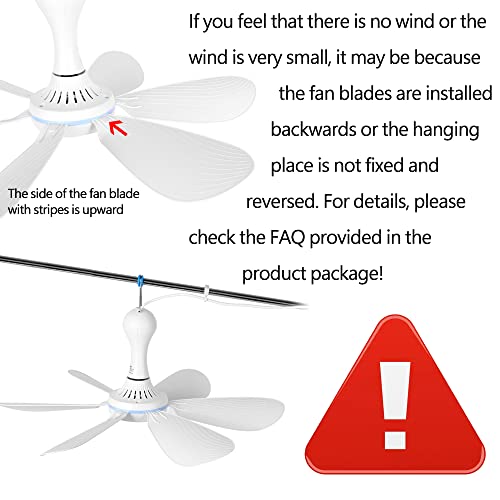
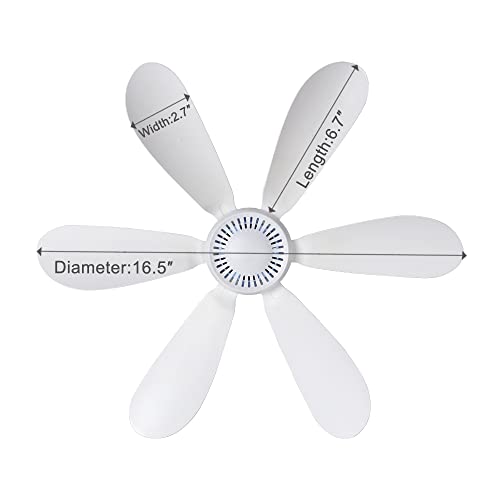
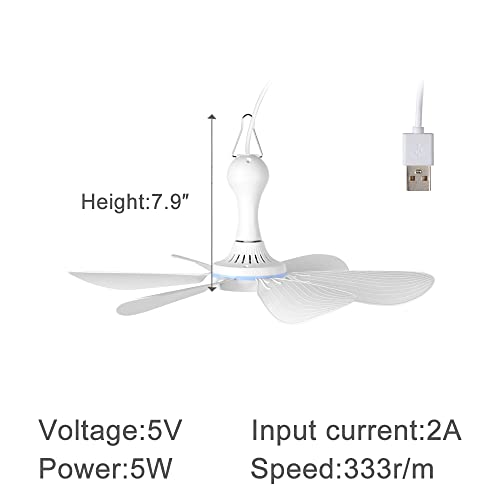
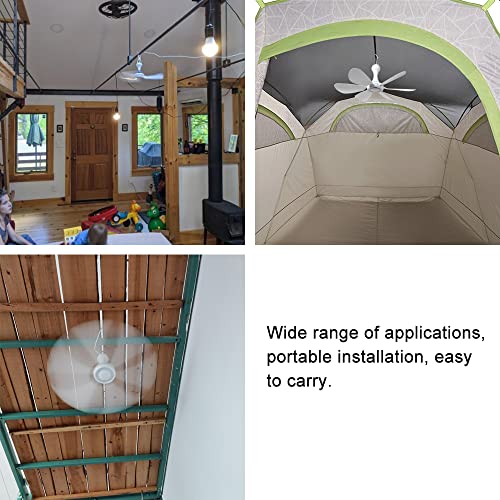
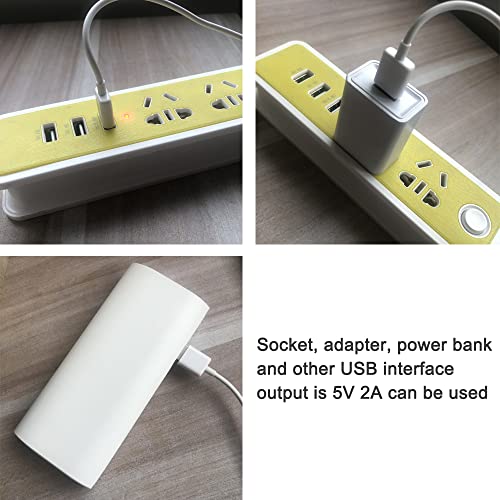
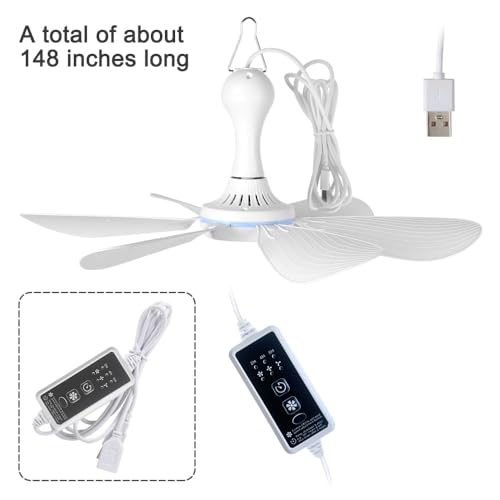
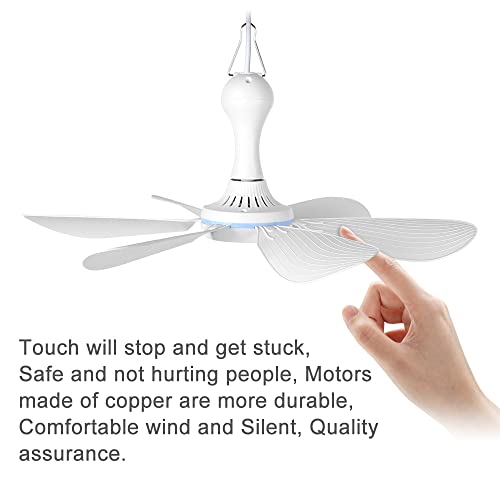
USB Mini Small Ceiling Fan quiet Camping Optional Emergency Portable Outdoor Hanging Gazebo Canopy Dorm Fans Silent For Grow Tent,Hiking,Outages Speed Home Room Battery operated,Power Bank powered
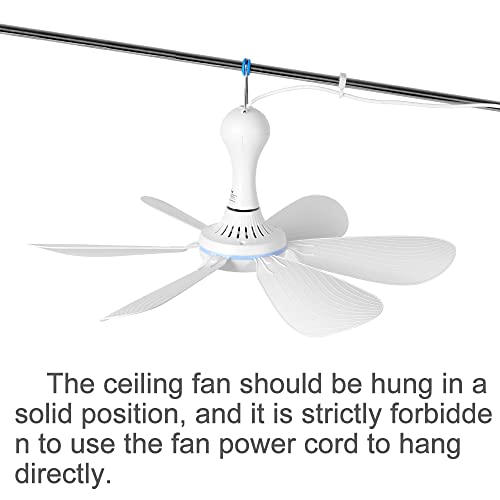
As an Amazon Associate we earn from qualifying purchases. Product prices and availability are accurate as of the date/time indicated.
Mini Greenhouse or Mushroom Grow Tent -2 Tier Insulated Kit 24"x16"x46" | Indoor Greenhouse or Grow Tent with Thermometer Hygrometer, Oxford Thermal Cover , FAE Ports , 2 Lights , Auto Timer


As an Amazon Associate we earn from qualifying purchases. Product prices and availability are accurate as of the date/time indicated.
Prices shown are approximate and for reference only. Prices change often, so please check the current price on Amazon before you buy.
Sizes are the makers’ nominal footprints and heights; measure your room and confirm clearances before ordering. Prices are typical US street ranges for the tent only unless a kit is noted; lights, fans, and timers are usually separate or in kit configurations at higher totals. Ratings are editorial for permitted dorm use, weighing size and portability, light-tightness, canvas and zipper quality, and value, and they assume the housing permission described in the text.
The Six Dorm Grow Tents Reviewed
1. AC Infinity CLOUDLAB 2×2 Class: Best Overall
AC Infinity’s parish leads on the dorm’s own specifications: thick, light-tight canvas, a zipper that closes like it means it, and an ecosystem of quiet fans and controllers that treats noise as a specification. Its price is the premium’s in miniature. For the permitted dorm garden that will move to an apartment next year, it is the recommendation defended first.
2. Gorilla 2×2.5 Class: Best Build
Gorilla’s canvas and frame are the category’s durability summit in the small parish, a tent that will survive eight move-outs and the car trunks between them. Its price and its packed size are the summit’s own. Where the tent is a multi-year citizen, it closes the argument.
3. Spider Farmer 2×2 Class: Best Kit Value
Spider Farmer’s kits, tent and an honest-wattage LED in one box, suit the student whose housing allows the parish and whose budget wants one decision. Read the light’s true draw at purchase, as the text directs. In the one-box parish, it stands.
4. MARS HYDRO 2×2 Class: Best Roomier Parish
Mars’s slightly larger footprint, twenty-seven inches square in its common version, gives the tomato and the pepper their elbow room where the room’s tape measure allows it. Its kits follow the same one-box doctrine. Where the extra inches exist, it earns its row.
5. VIVOSUN 2×2 Class: Best Budget
VIVOSUN’s budget parish puts a serviceable, light-tight-enough 2×2 at the price of a textbook, the first-semester trial’s natural citizen. Its zipper and canvas are its tier’s, inspected at the first assembly. As the gateway tent, its congregation is enormous and mostly green.
6. Generic 2×2 Class: The Audited Trial
The generic parish closes the table as the cheapest experiment, bought with the audit’s eye: seams read, zipper run a dozen times, light leaks checked in a dark room with a lamp inside. As a semester’s question asked cheaply, it earns its modest place, and its answer, in either direction, is worth its price.
Buying Guide: How to Choose a Portable Grow Tent for a Dorm Room
Step One: Get the Permission, Then Measure the Room and the Load
Read the housing agreement’s actual words on appliances, electrical load, plants, and inspections, ask the housing office in writing where any word is unclear, and keep the answer, since the permission is part of the equipment and the only part that cannot be replaced. Then measure the room’s parish with the roommate in it, the footprint the tent may claim without a grievance, the height to the lowest obstruction, sprinkler, shelf, or loft, and the clearances the building’s rules require from heat and fire equipment. In the same step, total the electrical parish, light at its true draw, fan, and the room’s existing load, against the room’s stated allowance, with everything plugged in as the rules direct, and strike the whole project, honorably and without a workaround, if the numbers or the rules say no, because a garden that cannot run lawfully in its own room is not a garden but a liability with leaves.
Step Two: Buy the Tent, Light, and Fan as One Quiet System
Choose the tent in the 2×2 parish whose canvas and zipper pass the dark-room test in your imagination and whose packed size your move-out can carry. Choose the light by true watts, dimmable, sized to the tent and to the electrical parish, and the fan by its noise at its lowest useful speed, with the timer that will run the parish’s day bought in the same order, since a dorm garden without a timer is a roommate negotiation held nightly. Confirm the whole system’s total against Step One’s load before the order, and prefer the kit rows where their light’s honesty is verified, since a kit is one decision and a dorm semester is short. Reject on a zipper that leaks light in the reviews’ parish or a fan whose noise is described as noticeable, without negotiating with a sale, because in a shared room those are not features but verdicts.
Step Three: Set It Up as the Room’s Best Citizen and Keep It That Way
Assemble the tent in the measured parish, route its cords as the housing rules direct and as a barefoot midnight would wish, set the timer to the negotiated day, and run the first week as an audition, temperatures in the tent and the room, the fan’s parish at night, the light’s at the zipper, graded by the roommate’s honest testimony and adjusted without defensiveness. Grow the lawful parish the tent was permitted for, herbs, microgreens, seedlings, and houseplants, keep the corner the room’s neatest, the floor beneath it dry, the whole parish open to any inspection as the permitted thing it is, and log the garden as the semester’s small pleasure, germination dates and harvests in the notebook. At move-out, break it down to its package, clean and dry, and store it for the apartment it will serve next year. Kept so, the little tent becomes what its parish promises, a green, quiet, lawful corner of a shared room, which is the whole doctrine of the best portable grow tent for dorm rooms and the reason the right one is chosen by its permission, its footprint, and its manners, and never by its size alone.
Frequently Asked Questions About Dorm Grow Tents
Are grow tents allowed in dorm rooms?
It depends entirely on your school and your building, and in many dormitories the answer, on a plain reading of the housing agreement, is no or not without conditions. The restrictions usually arrive through several clauses at once: limits on appliances and on total electrical load, rules on power strips and extension cords, prohibitions on items that obstruct sprinklers, detectors, vents, or exits, fire-code-driven bans on high-heat devices, and in some residences, rules on plants themselves. Other schools, and some buildings within strict schools, permit small indoor gardens within stated limits, particularly for herbs and houseplants under modest LED lighting. There is no general answer that survives contact with your own agreement, which is why this guide’s Step One is a document and an email rather than a purchase. Ask the housing office, in writing, describing the tent’s size, the light’s true wattage, and what you intend to grow, and keep the reply. If the answer is no, the lawful alternatives are real ones: a windowsill herb parish within the rules, a community garden plot, a campus greenhouse program, or waiting for the apartment, where the same tent in this table will serve you with a lease’s clearer terms.
What can I actually grow in a 2×2 tent in a dorm?
A satisfying parish at its honest scale: culinary herbs in rotation, basil fastest and happiest under the LED’s parish, cilantro and parsley in their cooler manners, mint contained in its own pot against its imperial ambitions; microgreens in trays, a harvest every week or two from a few square inches each; leafy greens in a small hydroponic or soil parish where the housing’s water rules allow; seedlings for a spring garden, started weeks ahead of the window’s parish; one dwarf tomato or one pepper as the semester’s project, trained and pruned to the tent’s height; and the light-loving houseplants and propagations that a dorm window betrays. What the 2×2 will not do is produce at a kitchen’s scale or finish large plants, and the student who accepts its scale as its charm will be delighted monthly, while the one who plants a farm in it will be disappointed weekly. The parish is also, in most dorms, a lawful-plants-only parish by the housing’s own terms and by the law’s, and this guide’s garden is that garden, openly grown and openly what it is.
How much electricity does a small dorm grow tent use?
In the honest parish of this table, the light at one hundred to one hundred fifty true watts, run for the plants’ day of roughly fourteen to eighteen hours for herbs and greens, less for houseplants, plus a small fan’s few dozen watts run longer, totals in the class of a few kilowatt-hours a day at the outside, comparable to the room’s other citizens and commonly within a stated allowance, provided the allowance is actually read and the total actually summed, which is Step One’s arithmetic and not a guess. The variables are the light’s dimmer, which is the budget’s throttle in both senses, the day length the crop asks, and the fan’s schedule. Two disciplines keep the parish honest: buy the light by its true draw, never by its marketed wattage, since a light named for six hundred watts that draws one hundred is a fine light and a lying label, and the room’s allowance cares only about the draw; and run the dimmer at the plants’ need rather than at the dial’s maximum, since seedlings and herbs under a dimmed light are the dorm garden’s normal condition and its electricity bill’s best friend. Where the summed load exceeds the room’s rule, the project does not proceed, as the guide has said from its first page.
Will a grow tent bother my roommate?
Only if it is chosen and run as if the room were yours alone, and the three parishes of bother are each answered by a specification in this guide: light, answered by the negotiated timer, the plants’ day ending at a civilized hour, and by a genuinely light-tight tent whose zipper has passed the dark test, since a glowing tent at 2AM in a shared room is not a gardening issue but a sleep issue with a brand name; noise, answered by the fan chosen for its lowest-speed manners and by the tent’s placement away from the roommate’s bed parish, since a hum that the grower stops hearing by the third night is still being heard, nightly, three meters away; and space and mess, answered by the measured footprint, the dry floor, and the corner kept as the room’s neatest. The roommate conversation belongs before the purchase, in Step One’s parish, with the timer and the harvest shared in the telling, since a basil parish that supplies the room’s pasta has a constituency of two. Run so, the dorm tent is commonly a room’s pleasure and occasionally its celebrity; run otherwise, it is a conduct meeting, and the difference is entirely in the specifications this article has been grading all along.
Related guides
- PH Meter Professional in 2026: 6 Best PH Meter Professional Models for Growers
- Testo PH Meter 206 in 2026: 6 Best Testo PH Meter 206 and pH Meters for Growers
- Best LED Grow Light for Low Heat in 2026: Cool-Running LED Grow Lights for Small Tents and Heat-Sensitive Plants Compared
- Best Grow Tent Under 100 Dollars 2×2 in 2026: 7 Grow Tents Under $100 That Offer Strong Fabric, Easy Setup, and Reliable Performance for 2×2 Growing
More from Amazon
Programs that pair well with the guide above. Offers and eligibility are set by Amazon and may change.
Free shipping on eligible items, Prime Video and more. Eligible new members can start with a free trial.
Start a Prime free trialAudiobooks and podcasts to listen to on the go. Eligible new members can start with a free trial.
Try Audible freeAd-free music streaming. Eligible new subscribers can start with a free trial.
Try Music Unlimited freeA free business account with business pricing and bulk-buying tools for work, shop or home office.
Create a business accountAs an Amazon Associate we earn from qualifying purchases.

Write Your Review
No reviews yet. Be the first to share your experience!