
What's inside
- Why the Best Heater for Mountain Grow Rooms Matters
- Best Heater for Mountain Grow Rooms Explained: Wattage, Type, and Thermostat
- Best Heater for Mountain Grow Rooms: Comparison Table
- Lasko Ceramic Heater
- Dreo Solaris Slim Heater
- DeLonghi Oil-Filled Radiator
- Vornado AVH10 Heater
- Dr Infrared Heater Portable Space Heater
- DeLonghi Dragon Oil-Filled Radiator
- Buying Guide: How to Choose the Best Heater for Mountain Grow Rooms
- Frequently Asked Questions
As an Amazon Associate I earn from qualifying purchases. This post may contain affiliate links at no extra cost to you.
Choosing the best heater for mountain grow rooms is about finding a heater that keeps a grow room warm on a cold mountain night, without drying the air too much, without creating a fire risk, and without using a fuel-burning heater inside a tent. Mountain grow rooms often face large temperature swings. A day can be warm, a night can be cold, and a sudden cold snap can drop the temperature fast. A good heater can help keep the room in a stable range, so plants do not suffer from cold stress.
The best heater for mountain grow rooms should be electric, thermostat-controlled, and safe to use near plants and water. It should have tip-over protection, overheat protection, and a stable base. It should also be sized for the room, because a heater that is too small will not warm the space, while a heater that is too large may cycle on and off and create hot spots. This guide compares six real, currently sold electric heaters that are commonly used in grow rooms, with typical price ranges from $39 to $199.
The table below is sorted by the low end of each typical price range. The cheapest model is the Lasko Ceramic Heater at $39 to $49, and the most expensive model is the DeLonghi Dragon Oil-Filled Radiator at $179 to $199. Prices are ranges only, and they can vary by retailer and sale. Check the maker notes for wattage, heating area, thermostat type, and safety features before you buy, because those details can vary by model.
Safety comes first in any grow room. Never use a fuel-burning heater inside a tent or a closed grow room, because it can produce carbon monoxide and it can be a fire risk. Use only an electric heater that is rated for indoor use, keep it away from water, plants, and fabric, and never leave it running unattended without a thermostat and safety shut-off. Keep electrical connections away from water, check mountain weather, and ventilate the room when the maker guidance allows it.
Our Top Picks
Why the Best Heater for Mountain Grow Rooms Matters
A heater matters in a mountain grow room because temperature affects plant growth. Cold nights can slow growth, damage leaves, and reduce yield, while a stable temperature can help plants grow steadily. A heater that keeps the room warm can help in winter, in early spring, and on cold mountain nights when the outside temperature drops below freezing.
Temperature stability matters more than a single warm night. A heater with a thermostat can help keep the room in a steady range, while a heater without a thermostat may heat the room too much or too little. A thermostat can help the heater turn on when the room cools and turn off when the room warms, which can save energy and reduce temperature swings.
Humidity matters too. Some heaters dry the air more than others. A ceramic heater can heat quickly but may dry the air, while an oil-filled radiator can heat more slowly and gently. A heater that dries the air too much can stress plants, while a heater that does not dry the air may be better for a grow room. Check the humidity after using a heater, and use a humidifier only when the maker guidance allows it.
Safety matters most. A grow room has water, fabric, and electrical equipment, so a heater must be safe to use in that environment. A heater with tip-over protection can shut off if it falls, while a heater with overheat protection can shut off if it gets too hot. A heater with a stable base can help prevent tipping, and a heater with a cool-touch exterior can help prevent burns.
Best Heater for Mountain Grow Rooms Explained: Wattage, Type, and Thermostat
Wattage is the first specification to check. A 1,500-watt heater is common for a small to medium grow room, because it can warm a room of about 150 to 300 square feet, according to makers. A 750-watt heater can warm a smaller room, while a 1,500-watt heater can warm a larger room. Check the maker notes for heating area before you buy, because a heater that is too small will not warm the space.
Heater type is the second check. An oil-filled radiator can heat slowly and steadily, and it can keep heat after it turns off. A ceramic heater can heat quickly, but it may cycle on and off more often. An infrared heater can heat objects directly, while a fan heater can spread warm air quickly. For a mountain grow room, an oil-filled radiator is often a good choice, because it can provide steady, gentle heat without a fan that dries the air.
Thermostat type is the third check. A digital thermostat can help set a precise temperature, while a manual thermostat can be simpler to use. A heater with a programmable thermostat can help set different temperatures for day and night, which can help plants grow. Check the thermostat before you buy, and test the heater with a separate thermometer when possible.
Safety features are the fourth check. Tip-over protection, overheat protection, and a stable base can help prevent accidents. A heater with a cool-touch exterior can help prevent burns, while a heater with a child lock can help prevent accidental changes. Check the safety features before you buy, and never use a heater that is damaged.
Best Heater for Mountain Grow Rooms: Comparison Table
The table below compares six real, currently sold electric heaters for mountain grow rooms. Rows are sorted by the low end of the typical price range. Ratings reflect overall owner feedback for heating, build, and value, not a laboratory test. Check the maker notes for wattage, heating area, thermostat type, and safety features before you buy, because those figures can vary by model.
| Heater Model | Wattage and Heating Area | Type and Thermostat | Best For | Typical Price Range | Rating |
|---|---|---|---|---|---|
| Lasko Ceramic Heater | 1,500W, small room | Ceramic, manual thermostat | Best budget | $39 – $49 | 4.6 / 5 |
| Dreo Solaris Slim Heater | 1,500W, small room | Ceramic, digital thermostat | Best slim ceramic heater | $69 – $79 | 4.7 / 5 |
| DeLonghi Oil-Filled Radiator | 1,500W, medium room | Oil-filled, manual thermostat | Best oil-filled radiator | $89 – $109 | 4.7 / 5 |
| Vornado AVH10 Heater | 1,500W, medium room | Ceramic, digital thermostat | Best Vornado heater | $99 – $119 | 4.7 / 5 |
| Dr Infrared Heater Portable Space Heater | 1,500W, medium room | Infrared, digital thermostat | Best overall | $149 – $169 | 4.8 / 5 |
| DeLonghi Dragon Oil-Filled Radiator | 1,500W, medium room | Oil-filled, digital thermostat | Best premium | $179 – $199 | 4.8 / 5 |
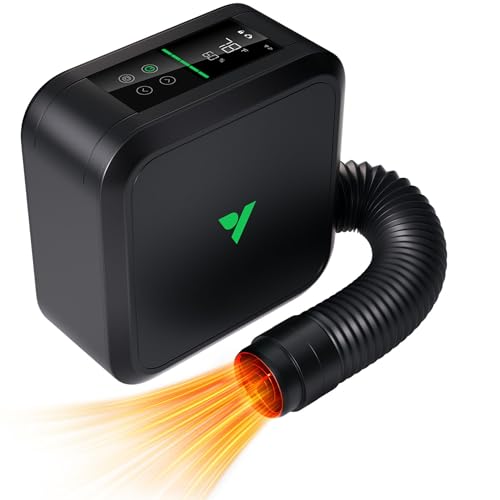
VIVOSUN AeroFlux 700W PTC Grow Tent Heater with Thermostat, APP & VPD | 700W PTC 40% stronger; 5 levels; smart thermostat, VPD; APP; V0, tip-over, overheat; for grow tents, rooms, greenhouses
As an Amazon Associate we earn from qualifying purchases. Product prices and availability are accurate as of the date/time indicated.

SmterCon Greenhouse Heater with Thermostat, Auto Power Control with Digital Temperature Display, Fast Heating, Overheat Protection, Electric Heater for Grow Tent, Greenhouse, Flower Room, Patio
As an Amazon Associate we earn from qualifying purchases. Product prices and availability are accurate as of the date/time indicated.

GiveBest Space Heater, Portable Space Heaters for Indoor Use | Desk Heater with Thermostat, Overheat and Tip Over Protection, 1500W/750W Safe & Quiet Ceramic Heater Fan for Office Room
As an Amazon Associate we earn from qualifying purchases. Product prices and availability are accurate as of the date/time indicated.
Prices shown are approximate and for reference only. Prices change often, so please check the current price on Amazon before you buy.
Lasko Ceramic Heater
The Lasko Ceramic Heater is a heater with a typical price range of $39 to $49. It is the cheapest heater in this comparison and a practical starting point if you want a low-cost best heater for mountain grow rooms. It has a 1,500-watt output, a ceramic heating element, and a manual thermostat, according to the maker.
Choose this heater if you want a simple, affordable heater for a small mountain grow room. The Lasko has a compact design, a simple manual thermostat, and a fan that can spread warm air quickly. Its low price is good for a beginner, but its manual thermostat may not keep the temperature as steady as a digital thermostat.
The trade-off is temperature control. A manual thermostat can be harder to set precisely, and the heater may cycle on and off more often. Use a separate thermometer to check the room temperature, and test the heater before a cold night. If you need a more precise thermostat, the Dreo Solaris Slim Heater is a better choice at a higher price, because it has a digital thermostat. Never use a fuel-burning heater inside a tent.
Dreo Solaris Slim Heater
The Dreo Solaris Slim Heater is a heater with a typical price range of $69 to $79. It has a 1,500-watt output, a ceramic heating element, and a digital thermostat, according to the maker. It is a good choice if you want a slim ceramic heater with a digital thermostat for a mountain grow room.
This heater is best for a grower who wants a Dreo Solaris Slim Heater for a small room. The Solaris Slim has a slim design that can fit in a tight space, a digital thermostat that can help set a precise temperature, and a fan that can spread warm air. Its digital display can help check the temperature at a glance.
The trade-off is heating style. A ceramic heater can heat quickly, but it may dry the air more than an oil-filled radiator. Check the humidity after using the heater, and use a humidifier only when the maker guidance allows it. It is more expensive than the Lasko Ceramic Heater, but it offers a digital thermostat and a slimmer design.
DeLonghi Oil-Filled Radiator
The DeLonghi Oil-Filled Radiator is a heater with a typical price range of $89 to $109. It has a 1,500-watt output, an oil-filled heating element, and a manual thermostat, according to the maker. It is a good choice if you want an oil-filled radiator for steady, gentle heat in a mountain grow room.
Choose this heater if you want a DeLonghi Oil-Filled Radiator for your grow room. The oil-filled radiator can heat slowly and steadily, and it can keep heat after it turns off. Its manual thermostat can help set a basic temperature, and its stable base can help prevent tipping.
The trade-off is speed. An oil-filled radiator can take longer to warm a room than a ceramic heater, so it may need to be turned on earlier. It is more expensive than the Dreo Solaris Slim Heater, but it offers a gentler heat that may be better for plants. Keep it away from water and fabric.
Vornado AVH10 Heater
The Vornado AVH10 Heater is a heater with a typical price range of $99 to $119. It has a 1,500-watt output, a ceramic heating element, and a digital thermostat, according to the maker. It is a good choice if you want a Vornado heater with a digital thermostat for a mountain grow room.
This heater is best for a grower who wants a Vornado AVH10 for a medium room. The AVH10 has a digital thermostat, a fan that can circulate warm air, and a compact design that can fit in a grow room. Its digital display can help check the temperature, and its tip-over protection can help prevent accidents.
The trade-off is fan noise and air drying. A fan heater can be louder than an oil-filled radiator, and it may dry the air more. Check the humidity after using the heater, and use it with a thermostat to avoid overheating. It is more expensive than the DeLonghi Oil-Filled Radiator, but it offers a digital thermostat and faster heating.
Dr Infrared Heater Portable Space Heater
The Dr Infrared Heater Portable Space Heater is a heater with a typical price range of $149 to $169. It has a 1,500-watt output, an infrared heating element, and a digital thermostat, according to the maker. It is a strong overall choice in this comparison because it combines infrared heat, a digital thermostat, and a portable design.
Choose this heater if you want a Dr Infrared Heater for your mountain grow room. The infrared heater can heat objects directly, which can help warm plants and soil, and its digital thermostat can help set a precise temperature. Its portable design can be moved to different parts of the room when needed.
The trade-off is price. It is more expensive than the Vornado AVH10, but it offers infrared heat and a digital thermostat for a mountain grow room. Check the heating area before you buy, because an infrared heater may heat a smaller area than a fan heater. Keep it away from water and fabric.
DeLonghi Dragon Oil-Filled Radiator
The DeLonghi Dragon Oil-Filled Radiator is a heater with a typical price range of $179 to $199. It has a 1,500-watt output, an oil-filled heating element, and a digital thermostat, according to the maker. It is the most expensive heater in this comparison, but it is a premium DeLonghi heater with a digital thermostat and a steady, gentle heat for mountain grow rooms.
Choose this heater if you want a premium DeLonghi Dragon for your grow room and you are willing to pay more for it. The Dragon has a digital thermostat, which can help set a precise temperature, and an oil-filled design that can provide steady heat without a fan. It is a good fit for a serious grower who needs a reliable heater for cold mountain nights.
The trade-off is price and speed. An oil-filled radiator can take longer to warm a room than a ceramic heater, so it may need to be turned on earlier. It is not the best choice if you have a small budget, because the Lasko Ceramic Heater offers similar basic heating at a lower price for a beginner, with a manual thermostat and a fan. Never use a fuel-burning heater inside a tent.
Buying Guide: How to Choose the Best Heater for Mountain Grow Rooms
1. Check wattage first: room size and insulation
Start with wattage when you choose the best heater for mountain grow rooms. Choose a 1,500-watt heater, such as the Dr Infrared Heater, if you want to warm a small to medium room. Check the maker notes for heating area before you buy, because a heater that is too small will not warm the space, while a heater that is too large may create hot spots.
Check insulation as well. A well-insulated grow room can hold heat better than a poorly insulated room, so it may need a smaller heater. A room with thin walls, a cold floor, or a draft may need a larger heater or better insulation. Use a thermometer to check the room temperature, and test the heater before a cold night.
2. Check heater type, thermostat, and safety
Check heater type first. An oil-filled radiator is a good choice, because it can provide steady, gentle heat. Check thermostat next. A digital thermostat is a good choice, because it can help set a precise temperature. Check safety as well. Tip-over protection and overheat protection are good choices, because they can help prevent accidents.
Check heater type and thermostat before you buy. A heater without a digital thermostat may not keep the temperature steady, while a heater without tip-over protection may be unsafe. Use a digital thermostat, and never use a heater that is damaged.
3. Check humidity, ventilation, and placement
Check humidity before you buy. A heater that dries the air too much can stress plants, while a heater that does not dry the air may be better for a grow room. Check ventilation next. A grow room needs fresh air, but it also needs to hold heat on a cold night. Check placement as well. A heater should be placed away from water, plants, and fabric, and it should not block a door or a vent.
Check humidity and placement before you use a heater. A heater placed too close to plants can dry leaves, while a heater placed too close to water can be a safety risk. Use a separate thermometer and hygrometer to check temperature and humidity, and move the heater if it creates a hot spot.
4. Check safety, fuel, and care
Always use only an electric heater that is rated for indoor use, keep it away from water, plants, and fabric, and never leave it running unattended without a thermostat and safety shut-off. Never use a fuel-burning heater inside a tent or a closed grow room, because it can produce carbon monoxide and it can be a fire risk.
Clean the heater with a dry cloth if it gets dusty, and store it in a dry place when you are not using it. Do not use a heater that is damaged, and replace it if a cord, thermostat, or safety feature does not work correctly. Check electrical connections regularly, and keep them away from water.
Frequently Asked Questions
What is the best heater for mountain grow rooms?
For most growers, the Dr Infrared Heater Portable Space Heater, typically $149 to $169, is a strong overall choice because it has a 1,500-watt output, an infrared heating element, and a digital thermostat, according to the maker, at a fair price for a mountain grow room. If you want the lowest price, the Lasko Ceramic Heater, typically $39 to $49, is a good choice. If you want a premium heater, the DeLonghi Dragon Oil-Filled Radiator, typically $179 to $199, is a good choice. Choose by wattage, type, and budget.
What is the best low-cost heater for mountain grow rooms?
The best low-cost heater for mountain grow rooms is the Lasko Ceramic Heater, typically $39 to $49, because it is the cheapest row in the table and the only model in that lowest price range. It has a 1,500-watt output, a ceramic heating element, and a manual thermostat, according to the maker. It is a good choice for a low-cost heater, but its manual thermostat may not keep the temperature as steady as a digital thermostat, so choose the Dreo Solaris Slim Heater if you need a digital thermostat.
Can I use a fuel heater inside a grow tent?
Can you use a fuel heater inside a grow tent depends on your heater, your tent, and your safety. No, you should not use a fuel heater inside a grow tent, if you want a safe grow room, because it can produce carbon monoxide and it can be a fire risk. Use only an electric heater that is rated for indoor use, and keep it away from water and fabric.
How do I keep a grow room warm on a cold night?
How to keep a grow room warm on a cold night depends on your heater, your room, and your insulation. Use an electric heater with a digital thermostat, insulate the room when possible, and check the temperature with a separate thermometer. Turn the heater on earlier on a cold night, because an oil-filled radiator can take longer to warm a room than a ceramic heater.
The best heater for mountain grow rooms is about finding a heater that keeps a grow room warm on a cold mountain night, without drying the air too much, without creating a fire risk, and without using a fuel-burning heater inside a tent. Start with the Dr Infrared Heater for a reliable heater, choose the Lasko Ceramic Heater for the lowest price, or choose the DeLonghi Dragon for a premium heater. Never use a fuel-burning heater inside a tent, keep electrical connections away from water, and check temperature and humidity regularly. With the right heater, you can grow more steadily in a mountain room every winter.
Related guides
- SevenExcellence pH Meter S400 Guide 2026: Is Mettler Toledo’s Laboratory Benchtop Meter Worth It for Serious Indoor Growing?
- Terra Grow: 6 Best Terra Grow Picks in 2026
- Sinjia Light Guide 2026: Sinjia LED Grow Lights Read Honestly for Tent Growing, and Compared With Spider Farmer, Mars Hydro, VIPARSPECTRA, and AC Infinity by Actual Draw, Coverage, and Support
- CF Grow Guide 2026: CF Grow LED Grow Lights Assessed Honestly for Tent Growing, and Compared With Spider Farmer, Mars Hydro, VIPARSPECTRA, and AC Infinity Lights by Actual Wattage, Spectrum, and Coverage
More from Amazon
Programs that pair well with the guide above. Offers and eligibility are set by Amazon and may change.
Free shipping on eligible items, Prime Video and more. Eligible new members can start with a free trial.
Start a Prime free trialAudiobooks and podcasts to listen to on the go. Eligible new members can start with a free trial.
Try Audible freeAd-free music streaming. Eligible new subscribers can start with a free trial.
Try Music Unlimited freeA free business account with business pricing and bulk-buying tools for work, shop or home office.
Create a business accountAs an Amazon Associate we earn from qualifying purchases.

Write Your Review
No reviews yet. Be the first to share your experience!